Is It Time to Upgrade Your Cat Litter? Modern Innovations for Cats
Author:sana
Released:January 4, 2026
If you're still hauling home heavy bags of dusty clay litter from the grocery store, you might not realize how much cat care has changed in recent years.
After testing everything from basic litter pans to smart self-cleaning boxes, I've seen how quickly the “scooping life” is evolving. Today's innovations aren't just about convenience, they're also helping reduce dust, control odor, and even flag potential health issues earlier.
Why the "Old School" Clay is Failing You
Traditional clay litter is inexpensive, but it comes with a hidden cost. Most of it is sodium bentonite, which is strip-mined. It's heavy, tracks everywhere, and creates a "dust cloud" every time your cat digs.
If you have a cough or your cat sneezes frequently, that dust is likely the culprit. According to the Cornell Feline Health Center , respiratory irritants in the environment can exacerbate feline asthma. Beyond health, clay just doesn't handle the smell of a three-cat household for more than a couple of days.
The Rise of the Robot: Is an Automatic Litter Box Worth It?
The biggest shift in the industry is the rise of automatic litter box technology, and this isn't the clunky rake-and-timer stuff from a decade ago.
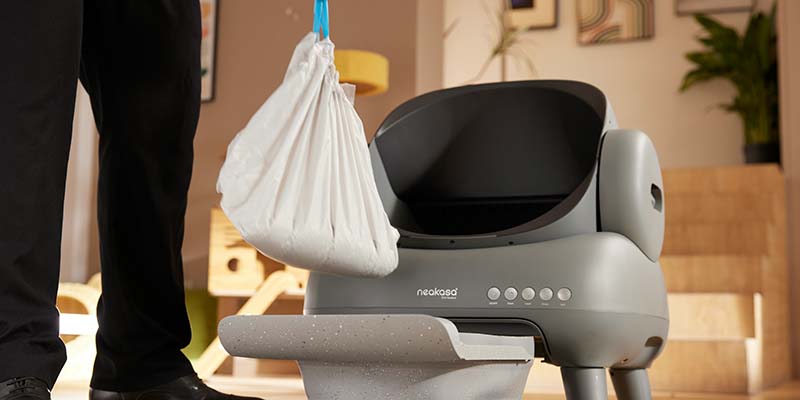
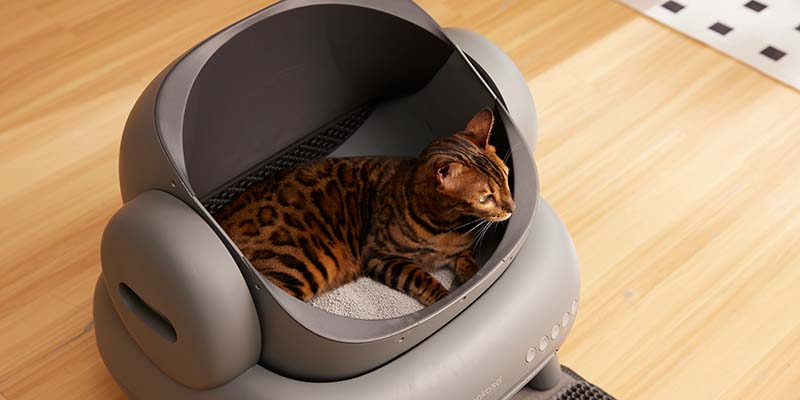
Modern self-cleaning systems use motion and weight sensors, rotating drums or sifting mechanisms, and sealed waste compartments to automatically separate and trap waste shortly after your cat exits the box.
These innovations help keep a cleaner litter surface, cut down on tracked litter, and dramatically reduce manual scooping compared with traditional pans.
Automatic litter boxes bring several concrete benefits for busy cat owners:
Zero Scooping: Instead of daily scooping, most owners only need to empty the waste tray every several days, often once a week, depending on how many cats you have. Some models even send smartphone alerts when it's time to empty or maintain the unit.
Better Odor Control: Because waste is removed promptly and stored in a sealed compartment, sometimes with carbon filtration, unpleasant smells are less likely to spread through your home. Prompt removal also limits the bacterial breakdown that produces ammonia odors.
Health Tracking: Smart units like the Petkit Purobot Ultra Automatic Self-Cleaning Litter Box can track usage patterns and send data to your phone. Some systems monitor weight change or frequency of visits, early indicators of urinary tract issues.
That said, automation isn't magic, you still need to empty the waste drawer periodically and maintain the unit's sensors and filters. But for many owners, the reduction in daily chores and improved cleanliness make automatic litter boxes a worthwhile upgrade.
Comparing the Top Contenders
Price: about $699
The rotating-globe design is what made this model famous. After a cat leaves, the globe slowly rotates, separating clumps and dropping waste into a sealed drawer with a carbon filter to control odor.
This model really stands out in multi-cat apartments where the litter box is constantly in use. Usually, one cat finishes and hops out, the machine waits a few minutes, then rotates quietly while the next cat lingers nearby, almost like it's waiting for a ride at a theme park. With its wide opening and low step-in height, most adult cats adapt to it quickly.
After a few weeks, it quickly becomes clear that the type of litter really matters. Sticky clay tends to cling to the globe, so owners find themselves wiping the interior liner from time to time. Many households report that switching to a low-dust clumping litter keeps the machine nearly maintenance-free.
Price: about $399–$500
This rotating-drum system is smaller than the Litter-Robot and easier to fit in tight apartments or laundry rooms. It includes triple odor control and app tracking for litter-box visits.
In daily use, it often feels more like a “set and forget” appliance. The waste bin generally lasts around four to five days with two cats before needing emptying.
The deodorizing spray is surprisingly noticeable in small spaces. Instead of that typical litter smell drifting into the hallway, the air sometimes smells faintly citrusy after a cleaning cycle.
Price: about $370–$400
This model takes a slightly different approach. Rather than rotating a globe, it spins and sifts clumping litter into a sealed waste bin, reducing odor and scooping frequency.
It works well in quiet households with one or two cats. The motor sound is soft enough that most cats ignore it, and the open-top design makes shy cats more comfortable.
A typical scenario: the litter box sits near a home office desk. When a cat finishes and walks away, the cleaning cycle runs quietly in the background—almost like a slow dishwasher cycle.
Price: around $500
This model adds a surprising twist: a built-in camera and AI monitoring system that tracks which cat used the box and how often.
In multi-cat homes, the app logs weight changes and bathroom frequency, which can hint at early health issues. The camera even captures usage events for monitoring.
Owners often notice that this becomes a health dashboard rather than just a litter box. For example, when one cat suddenly starts visiting the box more often, the app alerts the owner to check for possible urinary problems.
Price: about $499–$600
Unlike most systems, this one doesn't use traditional litter at all. Instead, it uses washable granules and flushes waste through a plumbing connection.
The experience is closer to having a miniature self-cleaning toilet for cats. After use, the machine washes the granules, drains waste, and dries everything before the next visit.
The catch is installation. It needs access to a water line and drain, so it's usually placed in laundry rooms or bathrooms rather than living areas.
The Plant-Based Revolution (Better Performance, Fewer Trade-Offs)
If you’re not quite ready to invest in a robot litter box but want a healthier, eco-friendly litter, plant-based options have genuinely caught up with traditional clay.
Modern blends made from tofu, cassava, corn, and wheat deliver surprisingly tight clumping, low dust, and natural odor control, without the chemical fragrances found in many clay litters.
Tofu-based litter (like Michu Natural Clumping Tofu Cat Litter or pidan Cassava & Tofu Cat Litter) clumps quickly and is gentle on paws, with minimal dust and tracking. Many cat owners report that high-quality tofu formulas also help keep the box smelling fresher and make scooping easier, partly because they absorb urine fast and form firm clumps.
Cassava-based litters (such as Sustainably Yours Natural Cat Litter) excel in fast liquid absorption, strong clumping, and odor locking, sometimes rivaling clay in multi-cat homes. They’re also biodegradable, which makes cleanup feel more environmentally responsible.
Corn and wheat litters (examples like Opet Corn & Cassava Cat Litter) control simple odors well but can be less effective in heavy-use settings.
Things to know: plant litters can be lighter and track more if not paired with mats, and some cats take a short transition period to adjust to the different texture.
Health Monitoring Under Your Cat's Paws
Your cat’s litter can be more than just waste control, it can act like a daily health check-in tool. Crystal litters made from silica absorb urine and react visibly to chemical changes, effectively giving you early clues about urinary health without waiting for behavioral symptoms to show up.
For example, PrettyLitter Health Monitoring Cat Litter and its scented versions like PrettyLitter Health Monitoring Lotus Flower Scent Cat Litter use pH-sensitive silica crystals that shift color when exposed to your cat’s urine.
Under normal conditions, the crystals turn olive green or dark yellow. But if the litter turns blue, it can indicate elevated alkalinity, a sign of urinary tract infections or crystal/stones forming. Orange can suggest higher acidity, which might accompany metabolic issues, and red may indicate blood in the urine, a potential warning of bladder inflammation or other serious conditions.
Veterinarians and cat owners alike note that such early visual cues, especially for senior cats or those prone to UTIs, can prompt a quicker vet visit before symptoms worsen. PrettyLitter and similar health-monitoring litters aren’t diagnostic tools, but they do give you a useful early alert system from the comfort of home.
Solving the "Dust" Problem Once and for All
If you’re noticing a fine layer of powder on shelves or furniture, that same dust can be in your lungs too. Litter dust, especially from traditional clay litters containing crystalline silica, doesn’t just look messy; it’s a respiratory irritant that can trigger coughing, sneezing, wheezing, and worsen conditions like asthma in both cats and humans. Long-term exposure can even contribute to more serious lung irritation.
Because no litter is truly 100% dust-free, the goal is to minimize airborne particles. Look for brands explicitly labeled “low-dust” or “99% dust-free”, and consider materials that naturally produce fewer fine particles, like crystal litters, wood pellets, or paper pellet litters.
Paper and wood-based litters, in particular, generate far less dust than fine clay granules, and many cat owners report that switching to these options noticeably reduces respiratory irritation and makes the air in small apartments clearer.
For allergy sufferers, pairing a low-dust litter with good ventilation, and even an air purifier with a HEPA filter can make a dramatic difference in indoor air quality.
Smart Home Integration: The "Petivity" Factor
If you’re interested in health monitoring without replacing your entire litter setup, the Petivity Smart Litter Box Monitor System and similar units are worth a look.
Instead of a self-cleaning box, this is a monitor that sits under your existing litter box and uses AI to track key data every time a cat uses it, including weight, visit frequency, and whether they are urinating or defecating.
Once set up with the Petivity app, the device begins learning each cat’s patterns and compiles those habits into clear charts and monthly reports. If something unusual happens, such as changes in bathroom frequency or unexpected weight shifts, you can spot it early and bring real data to your vet appointment, which many cat owners find reassuring.
It is especially helpful if you have a senior cat or one prone to urinary issues, because subtle shifts often happen before clear symptoms emerge. It is not a medical device and will not diagnose conditions on its own, but it provides meaningful insights you would not otherwise have without daily manual tracking.
Managing the Transition
Cats are creatures of habit, so switching to a new litter box, especially a self-cleaning model, is often best done gradually to reduce stress.
- Placing the new box right next to the old one so your cat sees it as just another option rather than a sudden replacement.
- Keeping them side by side for about a week or more gives your cat time to explore on their own terms without pressure.
- Sprinkle a small scoop of used litter from the old box into the new one each day so the scent feels familiar, which can significantly increase acceptance.
During the first few days, leave the automatic features turned off if possible. This lets your cat investigate the box without the distraction of movement or noise.
Gently encouraging use such as placing them in the new box after meals can help, but never force them. The goal is to let them discover that it’s a safe, appealing bathroom option.
Once the new box is consistently used for several days, you can start to phase out the old box gradually, moving it slightly farther away each day until it’s no longer needed.
Budget vs. Value: What Should You Spend?
Comparing traditional litter boxes with automatic units involves more than just upfront cost, you also need to think about time and long-term convenience.
A basic plastic litter box might cost $15–$30 up front, with premium litter adding around $15–$25 per month. Scooping daily takes time often 5–10 minutes a day and over a year, that can add up to more than 60 hours of labor.
Automatic litter boxes usually range from roughly $250 to $700 or more, depending on features like self-scooping, weight sensors, and app connectivity.
While the initial price is much higher, the time savings are substantial: most automatic systems reduce daily scooping to just a few minutes a week for waste drawer emptying and occasional maintenance. Over the span of several years, that can mean dozens of hours saved annually, time you could spend on work, travel, or play with your pets.
Automatic systems also tend to use litter more efficiently, clumping and separating waste with precision, which can lower ongoing litter cost slightly compared with manual scooping.
The Future is Scoop-Free
We've moved past the era of the "stinky litter corner." Whether you choose a high-tech robot cat litter box or a sustainable tofu blend, the goal is the same: a cleaner home and a healthier cat. Your cat will enjoy a cleaner box, and you’ll finally skip the daily scooping.
Related Posts

Can Dogs Eat Broccoli Safely? Benefits, Risks, and Feeding Tips

Stop Your Dog from Stinking: Home Remedies for Skunk & Fish Smell
Cat Hiding Behavior: When It's Normal And When It's Not

Dog Ear Cleaning: A Simple Guide for Healthy Pets
Is It Time to Upgrade Your Cat Litter? Modern Innovations for Cats